
Foundations of Computers, Electronics & Cyber Careers
Class Summary
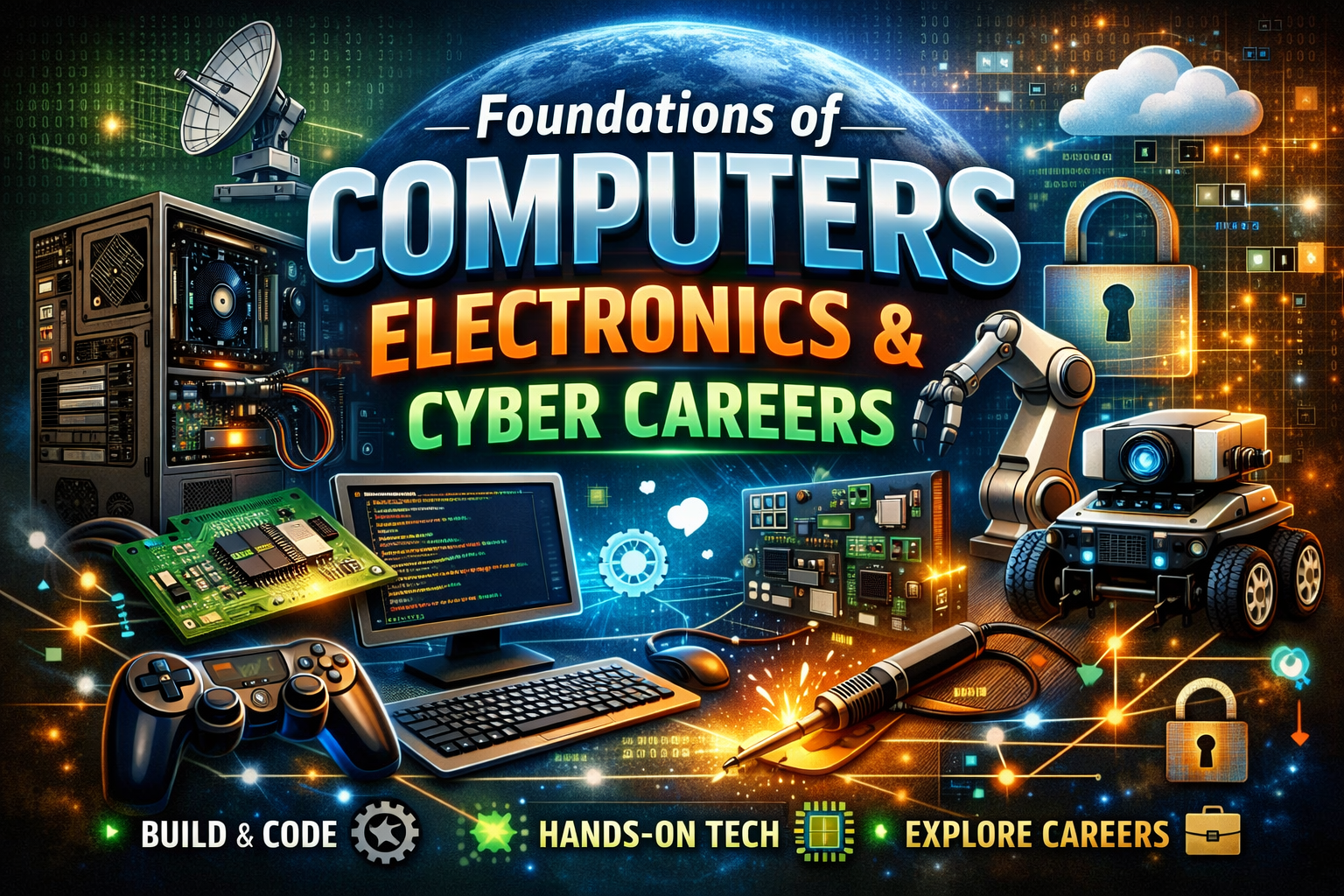
This class introduces students to how computers work from the inside out. Students will explore the basic parts of a computer, how electronic circuits power devices, and how information moves through hardware and software systems. The course connects physical components—like circuits, sensors, and processors—to digital concepts such as data, logic, and simple programming.
Students will learn how electronics and computing are used in everyday technology including phones, gaming systems, robots, smart devices, and the internet. The class also provides an overview of cyber and technology careers, helping students understand the many job paths available in fields such as computer engineering, software development, electronics, networking, data, and IT.
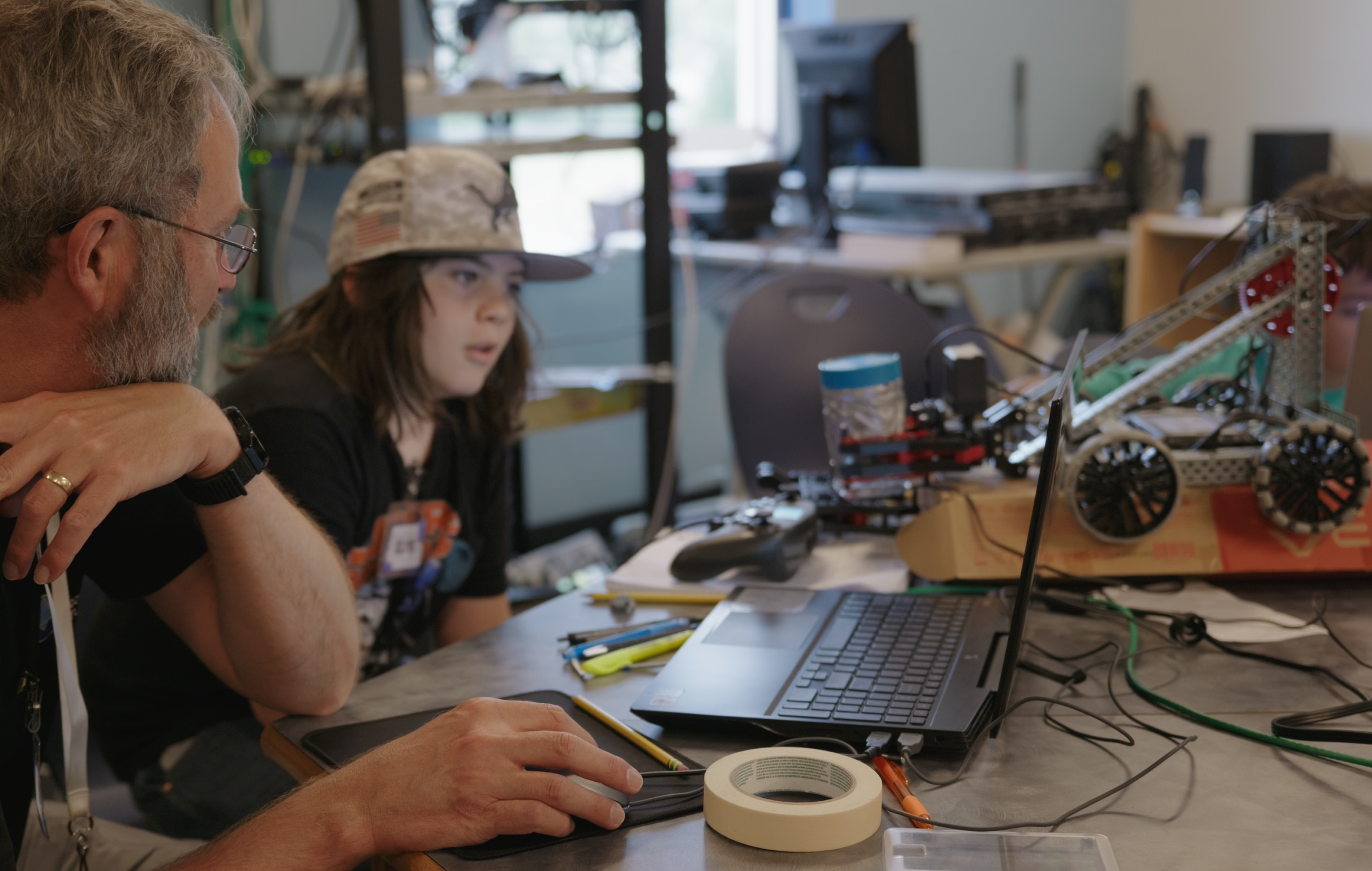
Hands-on activities, simple experiments, and beginner coding projects help students build confidence and curiosity while developing strong technical foundations.
Learning Objectives:
By the end of this class, students should be able to:
Identify the main components of a computer and explain what they do
Assemble a PC and troubleshoot issues related to assembly
Understand how electricity flows through simple circuits
Explain the difference between hardware, software and firmware
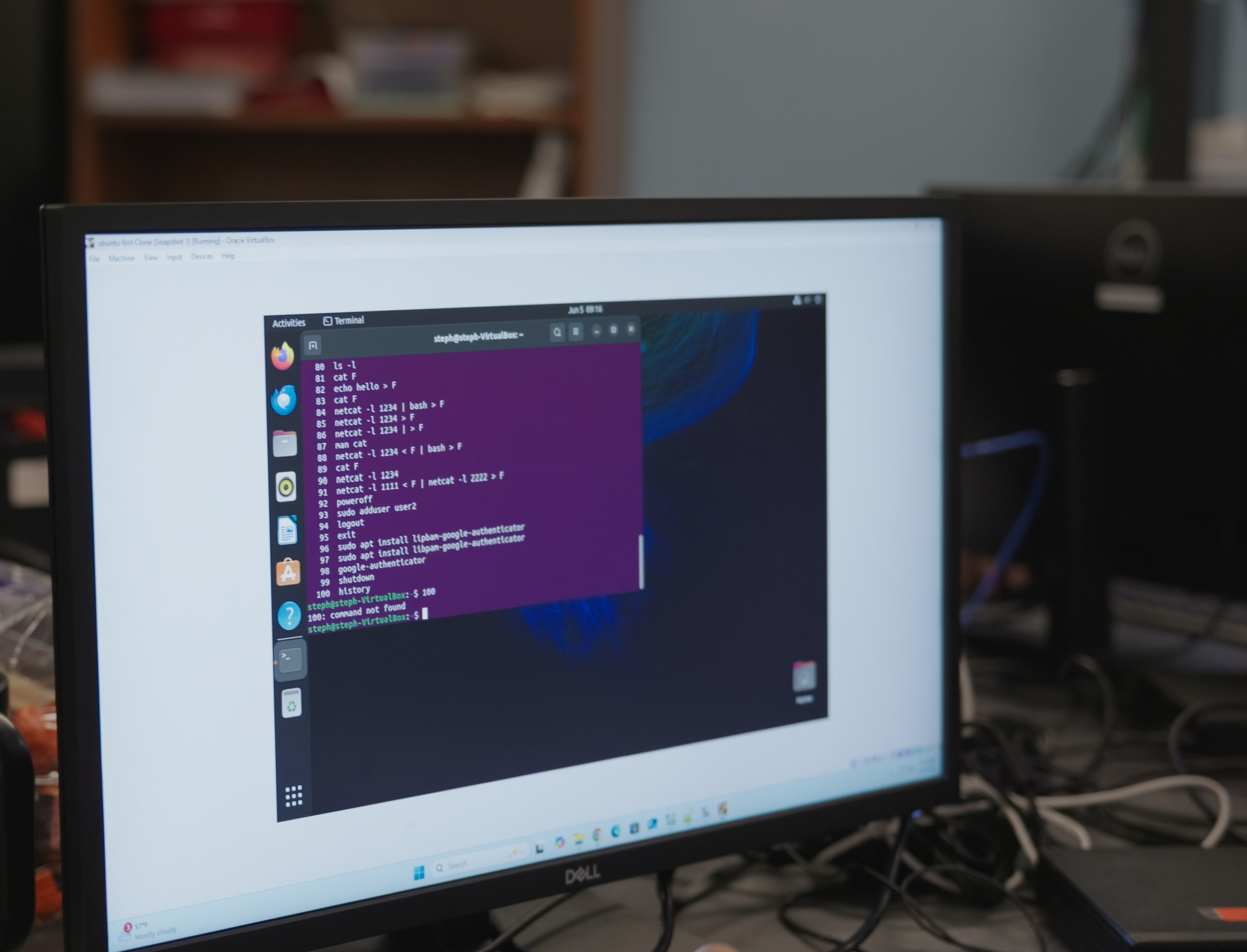
Perform basic operating system administration for both Windows and Linux
Use a linux (bash) shell to perform basic administrative tasks and troubleshooting
Understand how data is processed, stored, and transmitted
Understand numbering systems (binary, hexadecimal, decimal) and be able to convert between each
Identify and understand the purpose of common networking hardware
Apply logical thinking to solve technical problems
Recognize how math, science, and creativity connect to technology careers
Describe different cyber and technology careers and what skills they require
Understand that not all the interesting problems have been solved
Attributes of Students Enrolling in This Class:
Students enrolling in this course should:
Be curious about how technology works
Embrace failure and frustration as part of the learning process
Enjoy hands-on learning and experimenting
Be willing to ask questions and try new ideas
Have patience when troubleshooting problems
Be comfortable working independently and in teams
Show responsibility when using electronic equipment
Be comfortable applying math concepts up to a pre-algebra level
This class is designed for beginners—no advanced technical experience required.
Basic Knowledge & Skills Recommended
Math & Logical Thinking
Basic arithmetic (addition, subtraction, multiplication, division, exponents)
Introductory algebra concepts (variables, simple formulas, patterns)
Understanding cause-and-effect relationships
Science & Electronics
Basic understanding of electricity (on/off, power, energy)
Familiarity with simple scientific concepts like voltage and current (helpful, not required)
Computer & Technology Skills
Basic computer operation (typing, using a mouse, saving files, using applications)
Ability to ‘touch type’ recommended (consider using online typing classes)
Familiarity with common devices (computers, tablets, phones)
Coding & Computational Thinking
Ability to follow step-by-step instructions
Ability to extrapolate solutions from reference examples
Exposure to beginner coding platforms (Scratch, block-based coding, or Python basics) is helpful but optional
*Please see the Course Schedule page for locations, dates, and times*