
Introduction to Cybersecurity
Class Summary
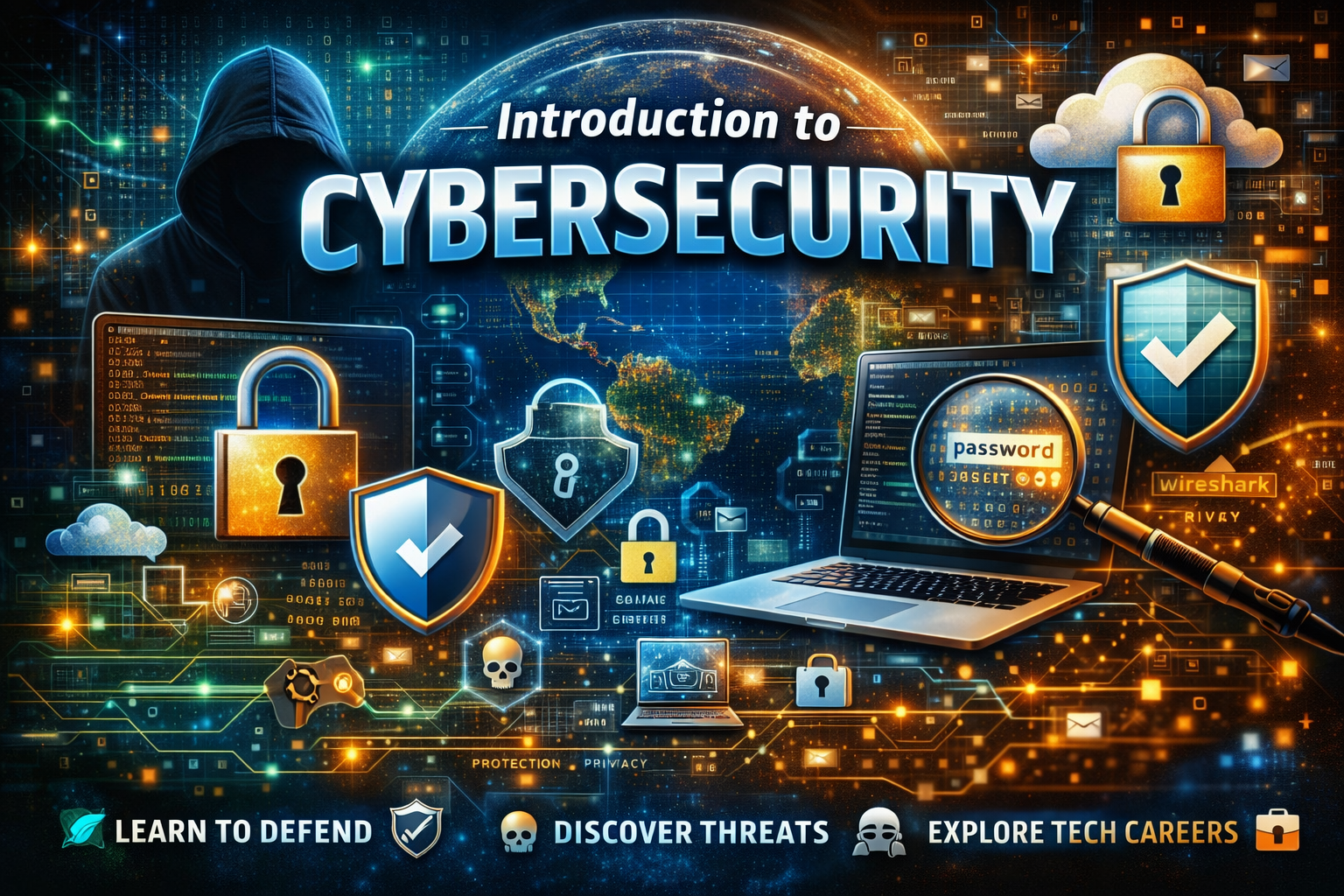
A study of cybersecurity is a study in a new language and, for many, a new way of thinking about the environment both online and in the physical world. This course is intended to introduce students to much of this language and the thought processes beneficial to pursuing a professional career. This course is a survey of many disciplines including Data/Network/Cloud/Application security, Identity & Access Management, GRC (Governance, risk, compliance), Risk management, and others.
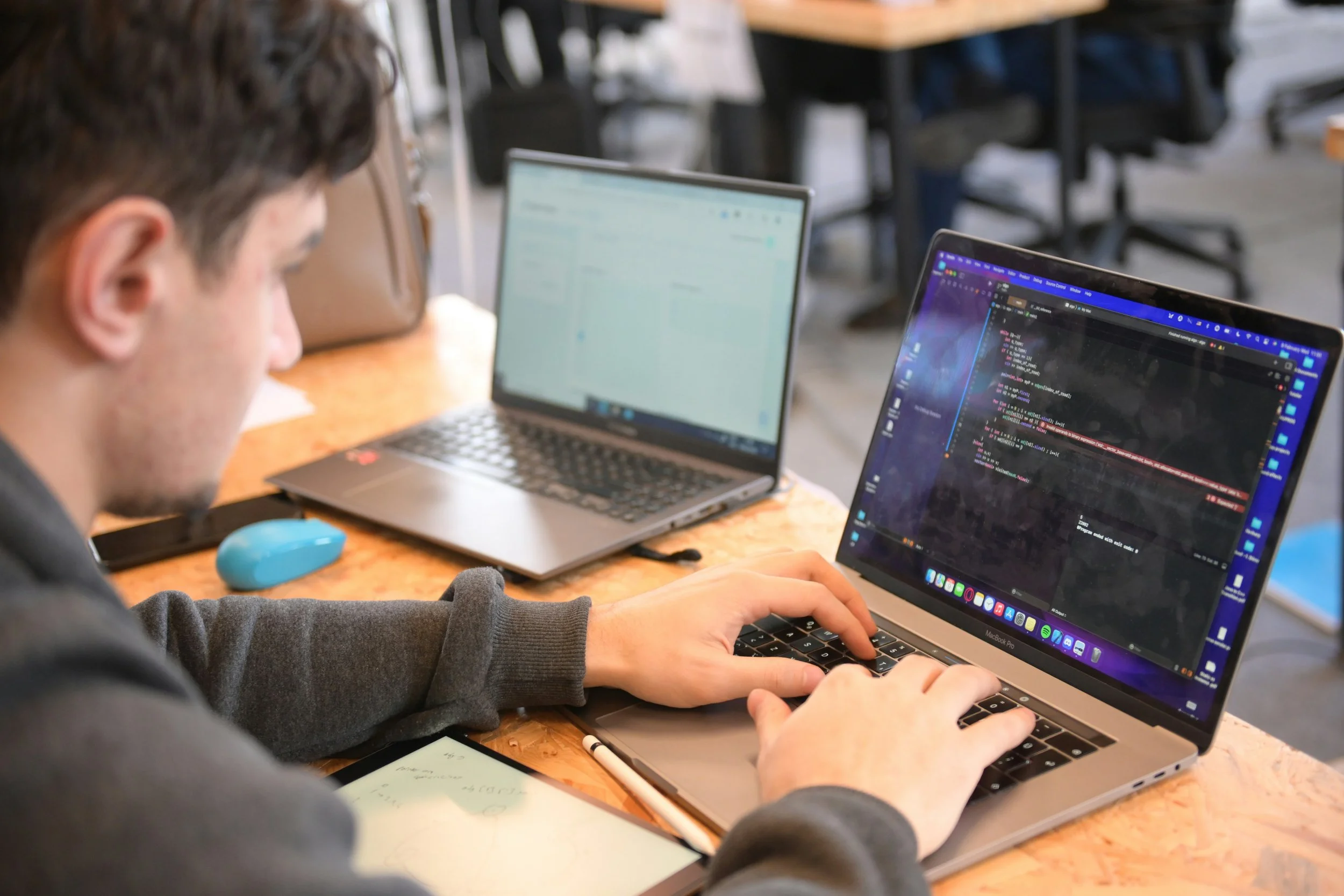
Hands-on activities and experiments are introduced to demonstrate concepts and pique curiosity. Using a ‘study group’ approach, the students heavily influence what topics are discussed and how deep we dive into each. Students are encouraged to develop critical thinking skills and challenge each other to better understand the “why” behind every concept, not simply accept textbook explanations.

Learning Objectives:
By the end of this class, students should be able to:
Define common cybersecurity terminology such as CIA, AAA, Risk Management…
Identify threats and vulnerabilities commonly encountered in daily life
Evaluate options and implement mitigation strategies for common risks
Deploy a lab utilizing virtualization technologies
Install and configure common operating systems in a more secure manner
Describe the OSI and TCP/IP network architecture
Recognize common networking protocols
Be able to view and understand a packet capture in Wireshark.
Describe how information is represented/stored in binary.
Understand file headers/metadata and how this can be used
Explain the purpose and role of firewalls, anti-malware, and other common tools
Define cryptography, cryptology, and cryptanalysis
Demonstrate classic ciphers
Understand symmetric and asymmetric cryptography and describe proper application of each
Understand hashing and how it fits into secure systems.
Write basic python programs for fun or fortune
Describe different cyber and technology careers and what skills they require
Recognize how math, science, and creativity connect to technology careers
Attributes of Students Enrolling in This Class:
Students enrolling in this course should:
Be curious about how technology works
Embrace failure and frustration as a necessary part of learning
Enjoy hands-on learning and experimenting
Be willing to ask questions and try new ideas
Be able to take notes and effectively use them
Be able to perform individual research to solve problems
Have patience when troubleshooting problems
Be comfortable working independently and in teams
Show responsibility when using electronic equipment
This class is designed for intermediate learners

Basic Knowledge & Skills Recommended
Math & Logical Thinking
Basic arithmetic (addition, subtraction, multiplication, division)
Introductory algebra concepts (variables, simple formulas, patterns)
Understanding of cause-and-effect relationships
Basic understanding of boolean logical operators (AND, OR)
Know and recognize Decimal, Binary, and Hexadecimal numbering systems
Science & Electronics
Basic understanding of electricity (on/off, power, energy)
Familiarity with simple scientific concepts like voltage and current (helpful, not required)
Computer & Technology Skills
Ability to touch type at an effective rate
Understanding of computer component and purpose (CPU/RAM/Storage)
Familiarity with common devices (computers, tablets, phones)
Coding & Computational Thinking
Ability to follow step-by-step instructions
Ability to extrapolate a solution from an analogous example / apply patterns to new applications
Understanding of basic programming concepts (variables, if/then/else, loops)
Lab Fees: $375 per semester / $750 per year
Lab fee assistance program available by application during registration (April).
Fees associated with publicly funded enrollment are subject to the applicable LEP's approved student fee schedule and applicable fee-waiver requirements. Additional financial assistance may also be available through Falcon AeroLab.