

Home School Enrichment
Hands-on Aerospace, Aviation, and STEM programsFalcon AeroLab brings hands-on aerospace, cyber, and STEM learning to students who want real skills, real tools, and real experiences. Our programs are designed to spark curiosity, build confidence, and open doors to future careers.
❋ Industry Expert InstructorsYour student learns from professionals with real-world experience in aviation, engineering, cyber, and skilled trades. They teach what they actually do.
❋ Hands-On LearningEvery program includes real tools, real builds, and real problem-solving. Students don’t just watch, they create, test, troubleshoot, and improve.
❋Supportive, Engaging EnvironmentSmall groups, encouraging mentors, and a culture of respect help students feel comfortable, capable, and excited to learn.
❋ Career-Connected SkillsFrom flight training to cyber labs to welding, students gain practical, industry-aligned skills with opportunities to earn real certifications and licenses that set them up for future careers.
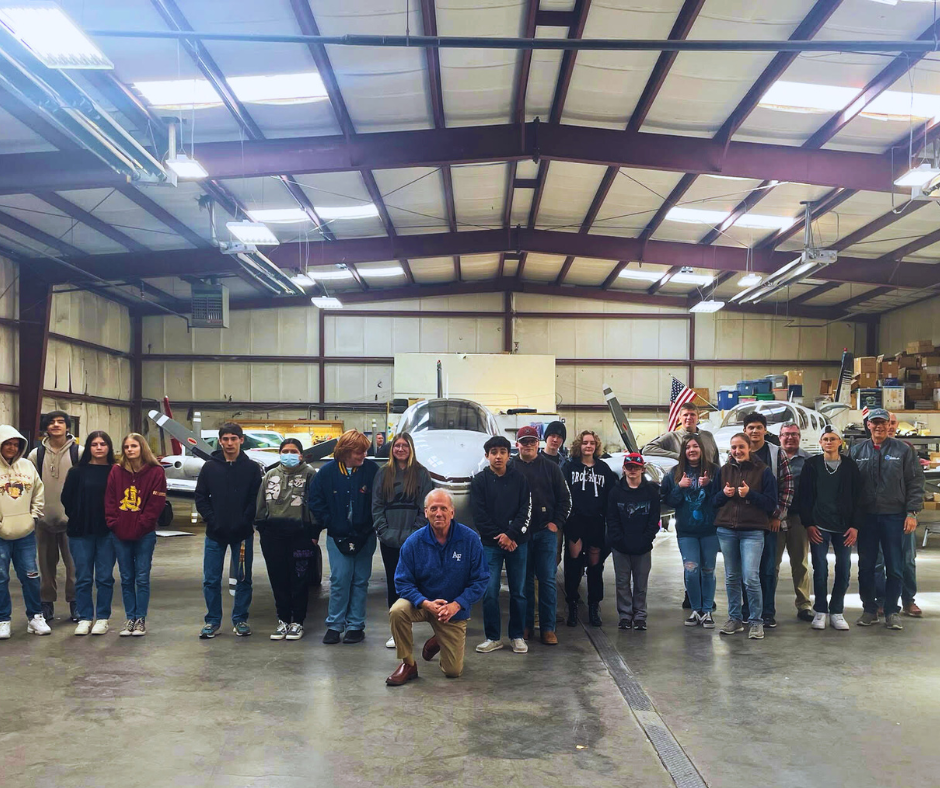
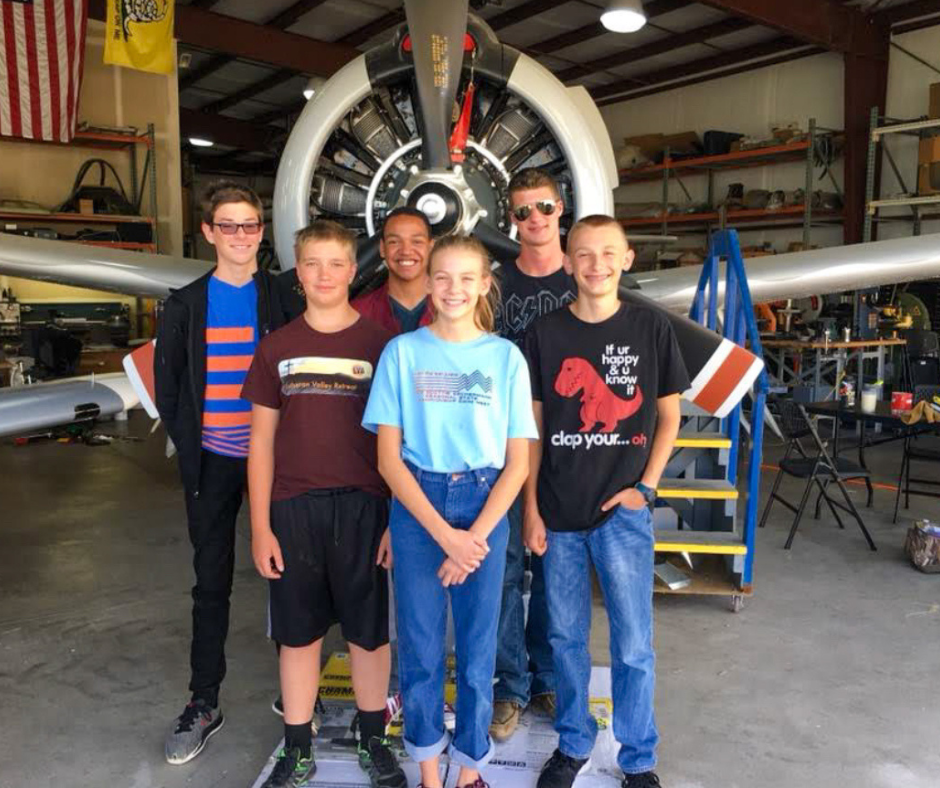
"To be something different, you have to see something different."-CEO & Founder Mark Hyatt
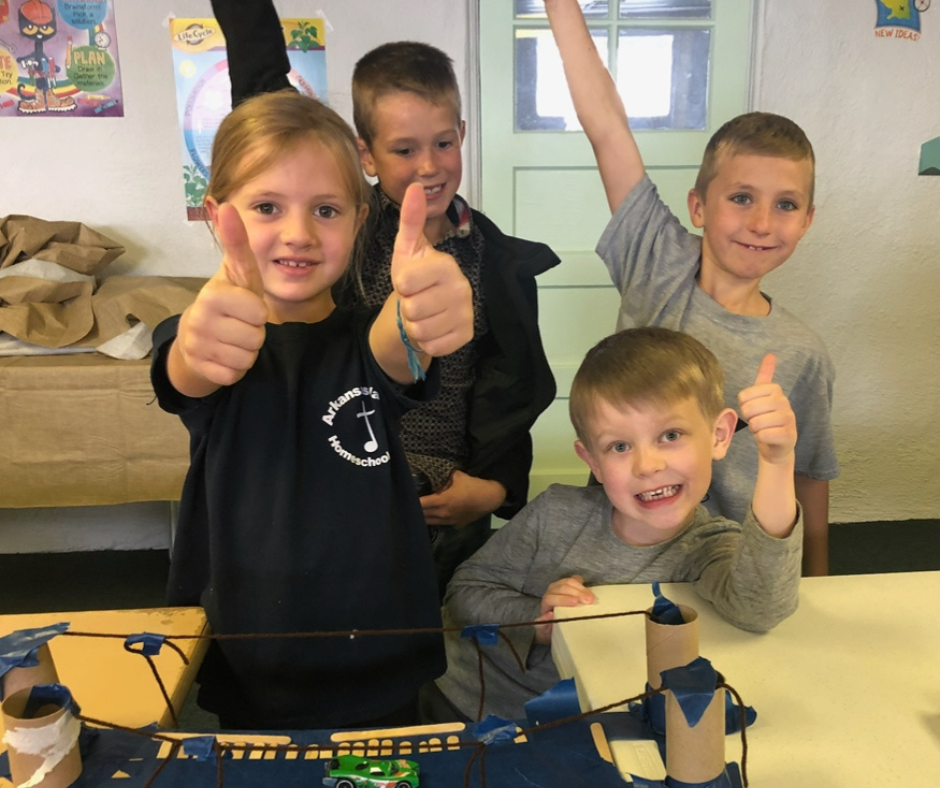
FoundationsAges 6-8
Think curious kids, messy hands, and lots of aha moments.
Fledglings jump into science and early engineering through building, testing, moving, drawing, and exploring. Everything is built around wonder. They poke, prod, and try things out while learning how the world works. Short activities, big energy, and plenty of chances to figure things out their own way.
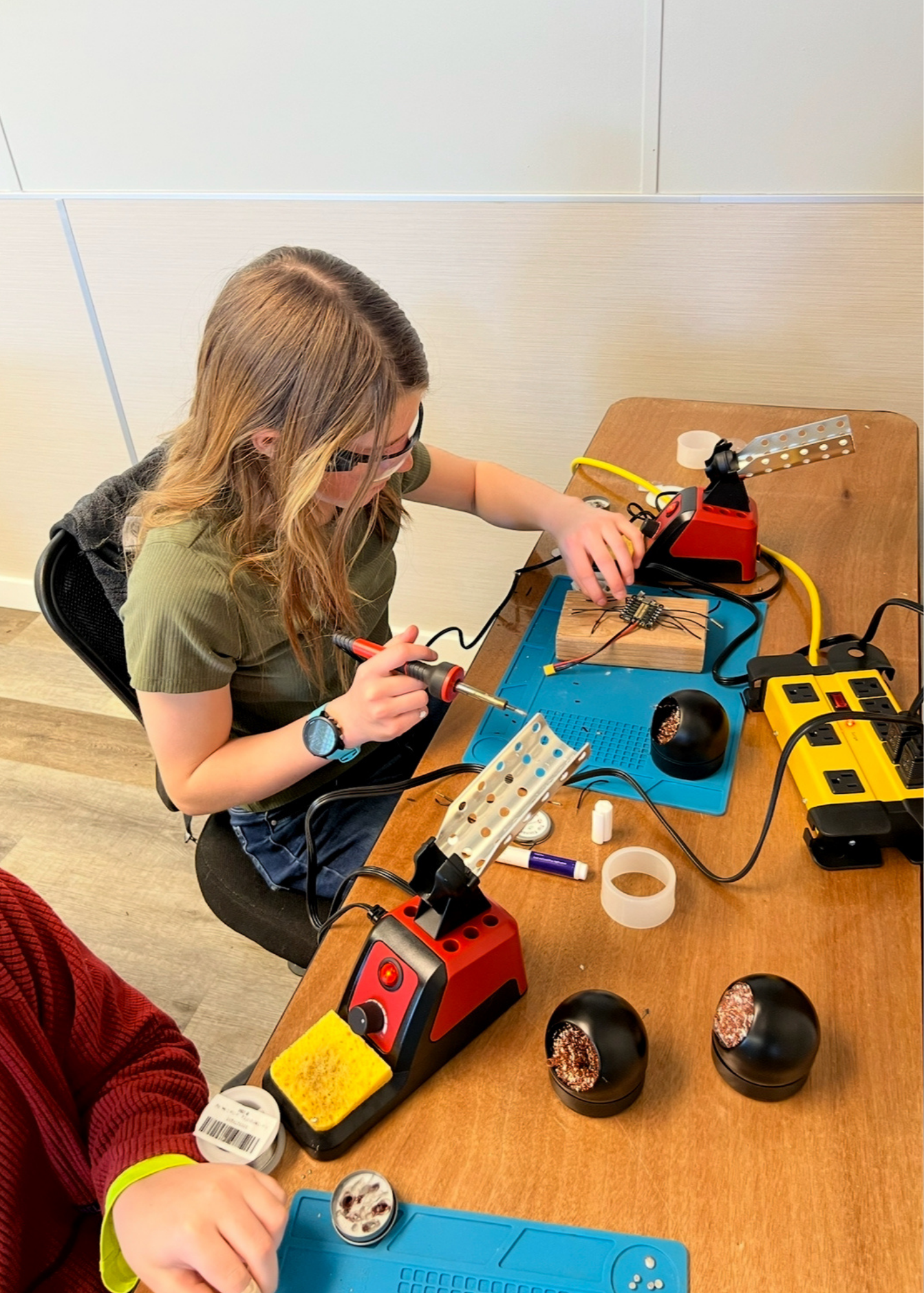
Foundations Ages 9-11
This is where kids start thinking like problem-solvers.
Young Falcons chase questions, test ideas, and tackle hands-on challenges that link to real life. They plan builds, test them, fix what breaks, and try again. They work in teams, take small leadership roles, and learn the kind of confidence that sticks. The work feels real, but the vibe stays fun.
Level 1Ages 12-15
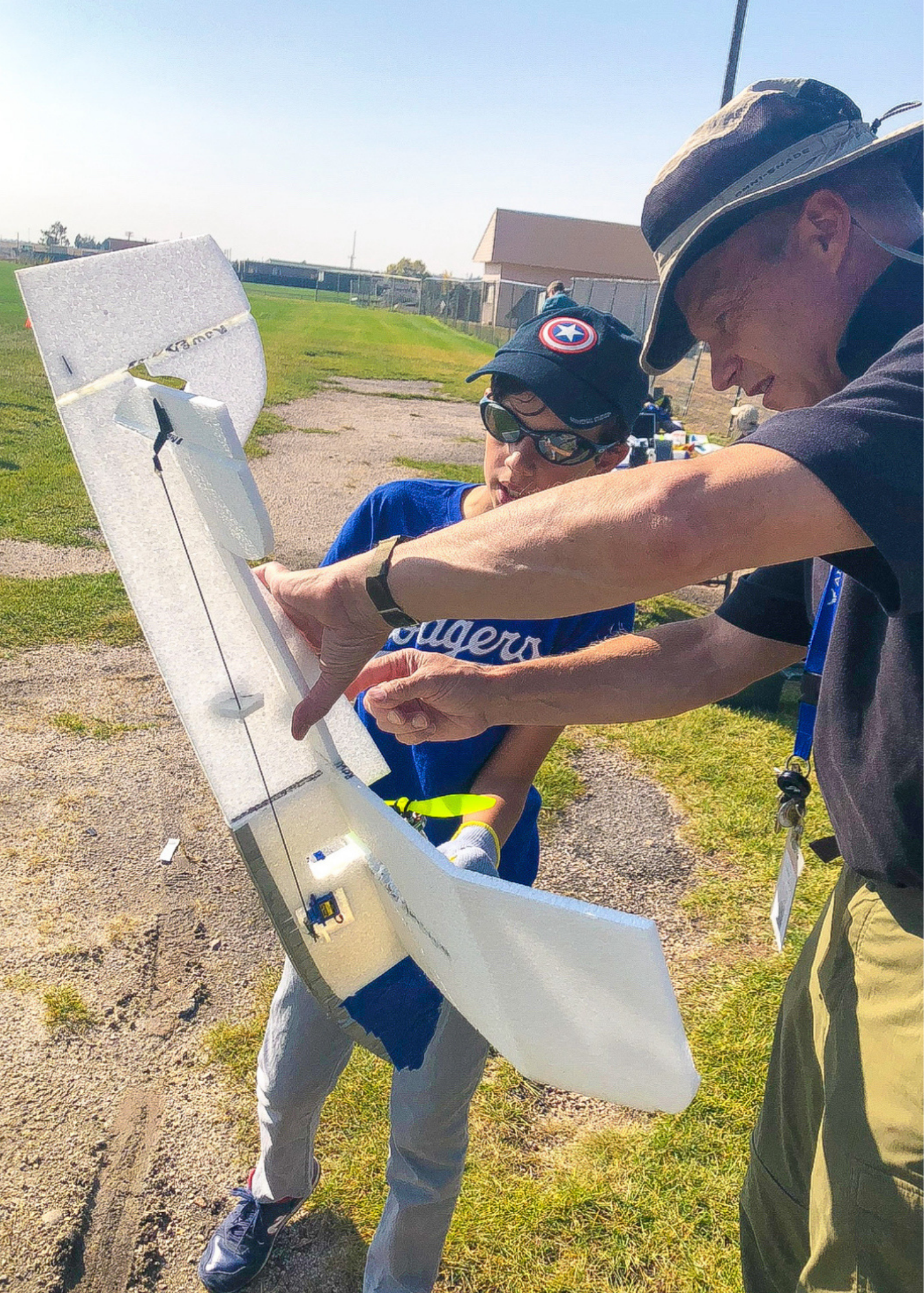
A deep dive into flight and space with real aviation experiences.
Students learn the science behind how aircraft and rockets work, then get out of the classroom and into the air. Helicopter flights, powered airplane flights, glider flights, and a day at iFLY all tie the lessons together. They build, fly, and keep drone and remote controlled aircraft, test designs, and push themselves through mission challenges. If they love aviation or space, this course lights them up.
Level 2Ages 12+
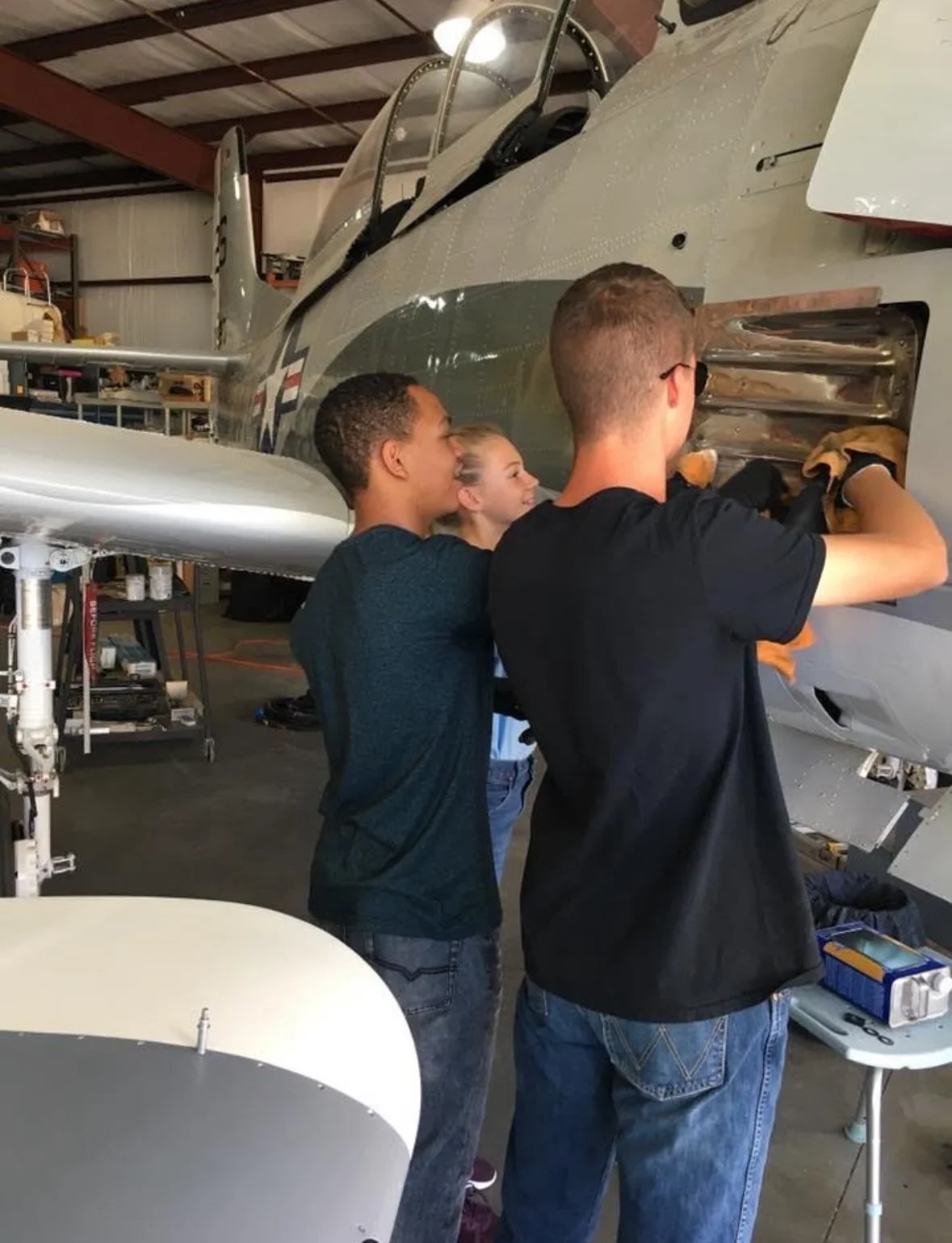
Wrenches, engines, tools, and the satisfaction of fixing something with your own hands.
Students start with bikes and small engines, then work their way up through aircraft systems. They learn troubleshooting, safety, inspection basics, electrical systems, brakes, airframes, tools, and real repair techniques. The pathway grows each year: Intro Mechanics, Powerplants, then Airframe and Avionics. It’s steady, skilled work taught by people who actually do this for a living.
Level 2Ages 13+
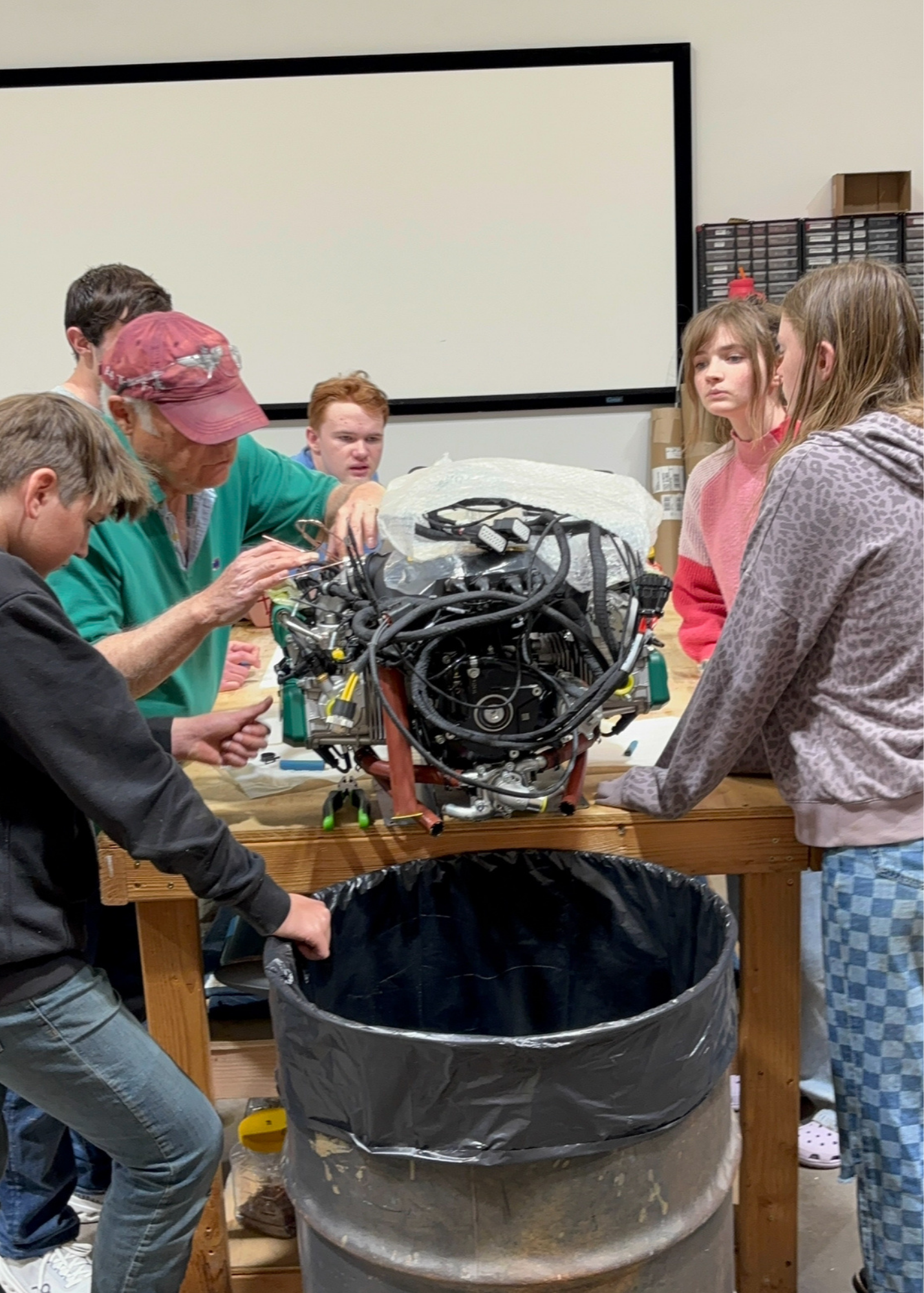
Yes, they literally help build a real airplane.
Students work on a Van’s RV-12 from raw aluminum to a flyable aircraft. They cut, shape, rivet, wire, form lines, mount engines, install landing gear, and see every step of construction. This is a long project, but the payoff is unreal. When the plane is ready for FAA certification and its first flight, students know they helped build the whole thing.
Level 2Ages 14+
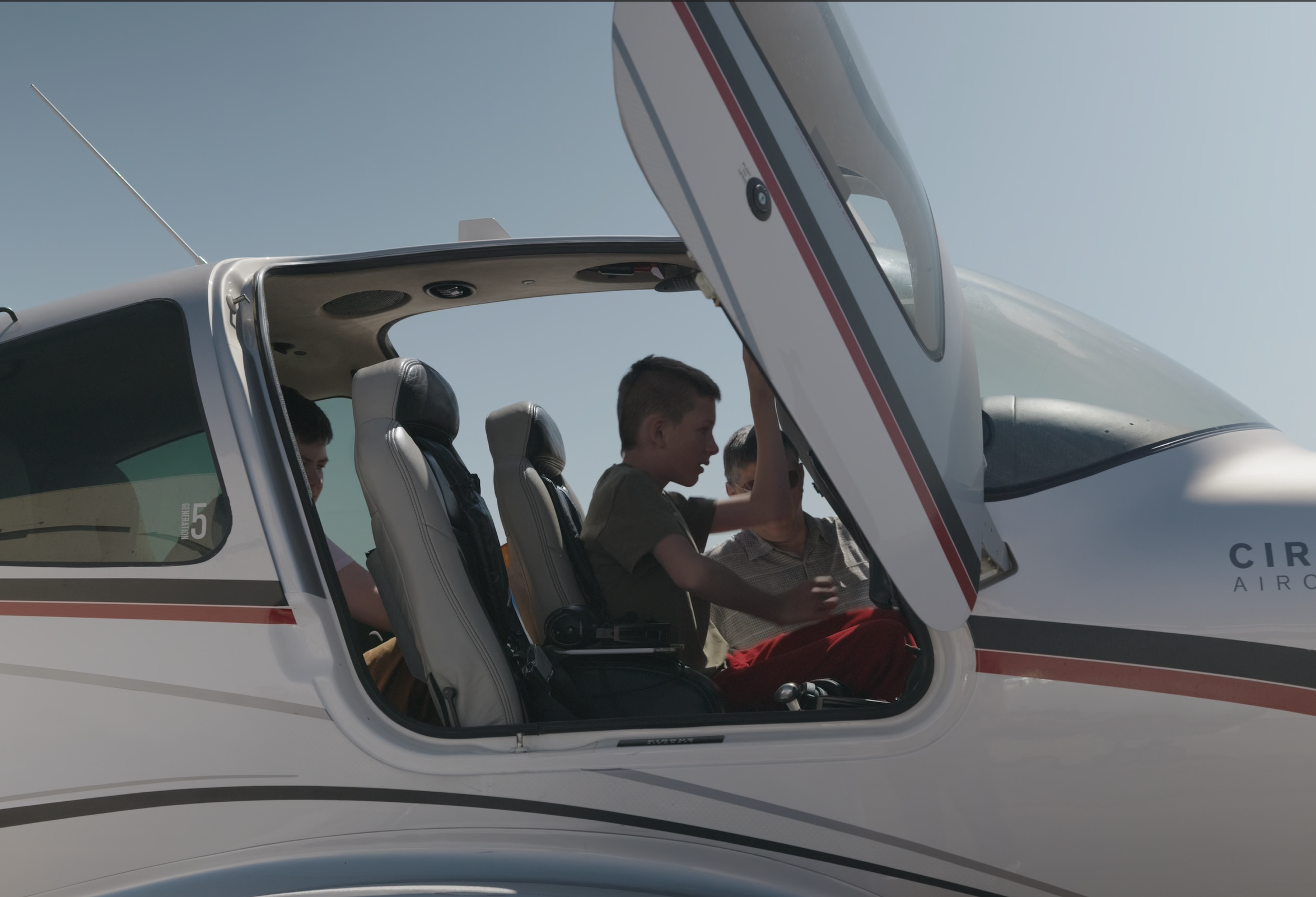
For students who want to fly, not just talk about flying.
They train with FAA instructors at a partnered flight school, log real flight hours, and learn how to think like a pilot. Weekly Over the Horizon sessions bring in pilots and industry experts who tell it like it is. Students also attend ground school to prep for the FAA Written Exam. If a teen wants to move toward a Private Pilot Certificate, this is the on-ramp.
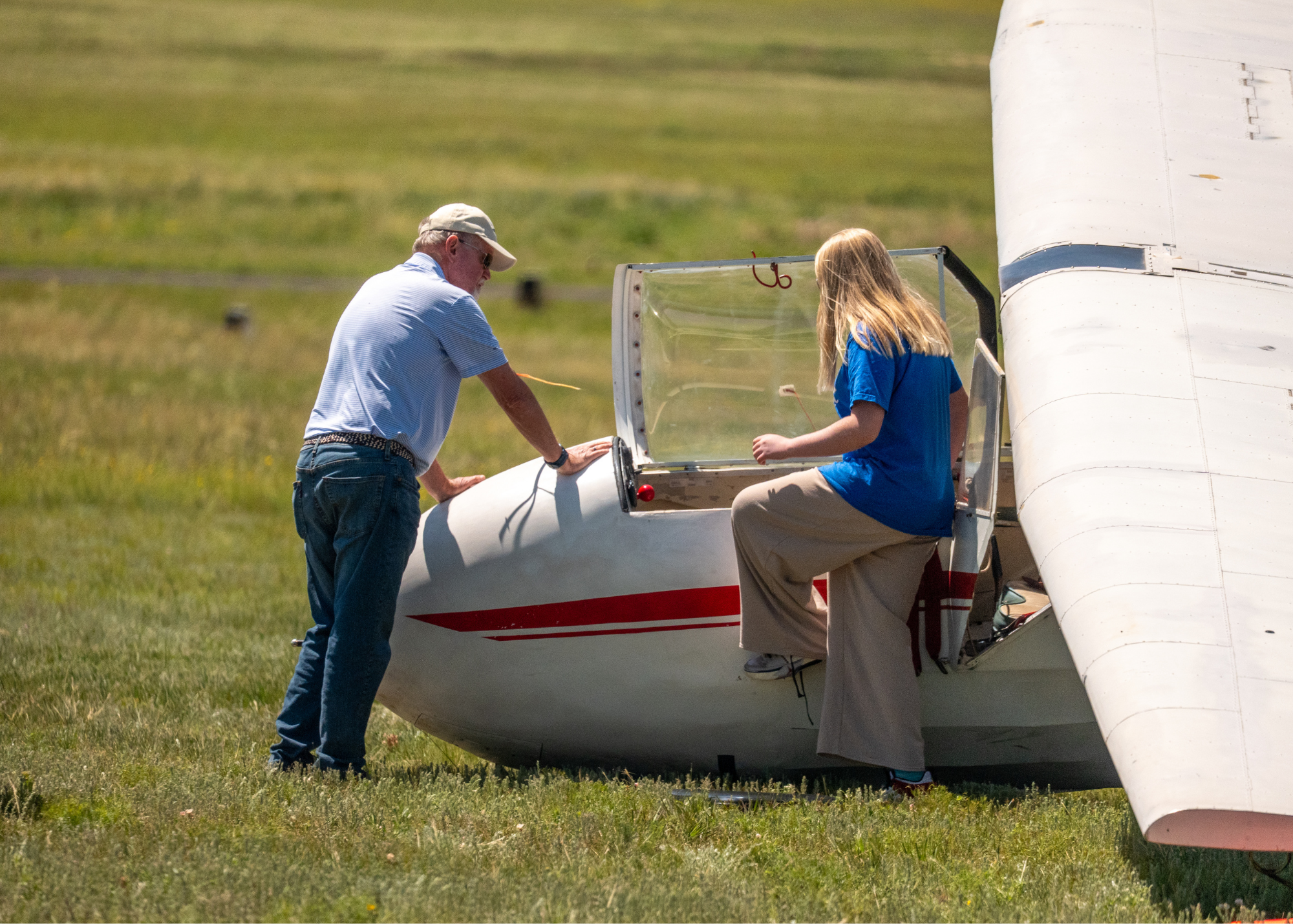
Level 2Ages 13.5+
A pure flying experience. No engines. Just air, lift, and skill.
Glider flying offers a quiet, skill-focused entry into aviation. Up to 20 flights, ground lessons, and expert instruction prepare participants for their first solo. The weekly Over the Horizon sessions round it out with stories and guidance from seasoned pilots.
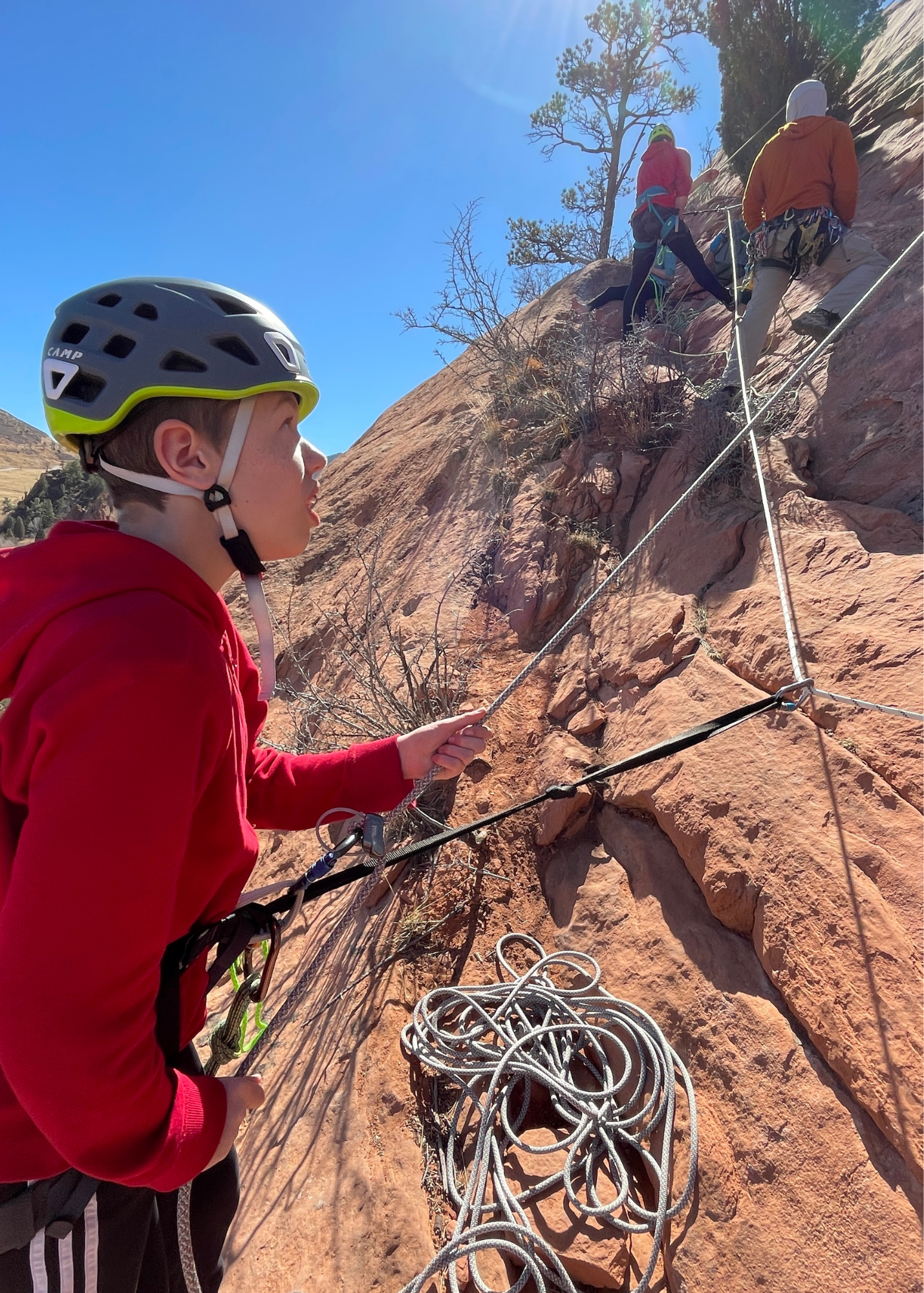
Level 2Ages 13+
Part outdoor school, part leadership lab, part push-yourself experience.
Navigation, backcountry safety, survival skills, rappelling, climbing, and avalanche awareness create a deep outdoor learning experience. Many sessions take place offsite, giving teens real time in the field to lead, problem-solve, and push their comfort zones.
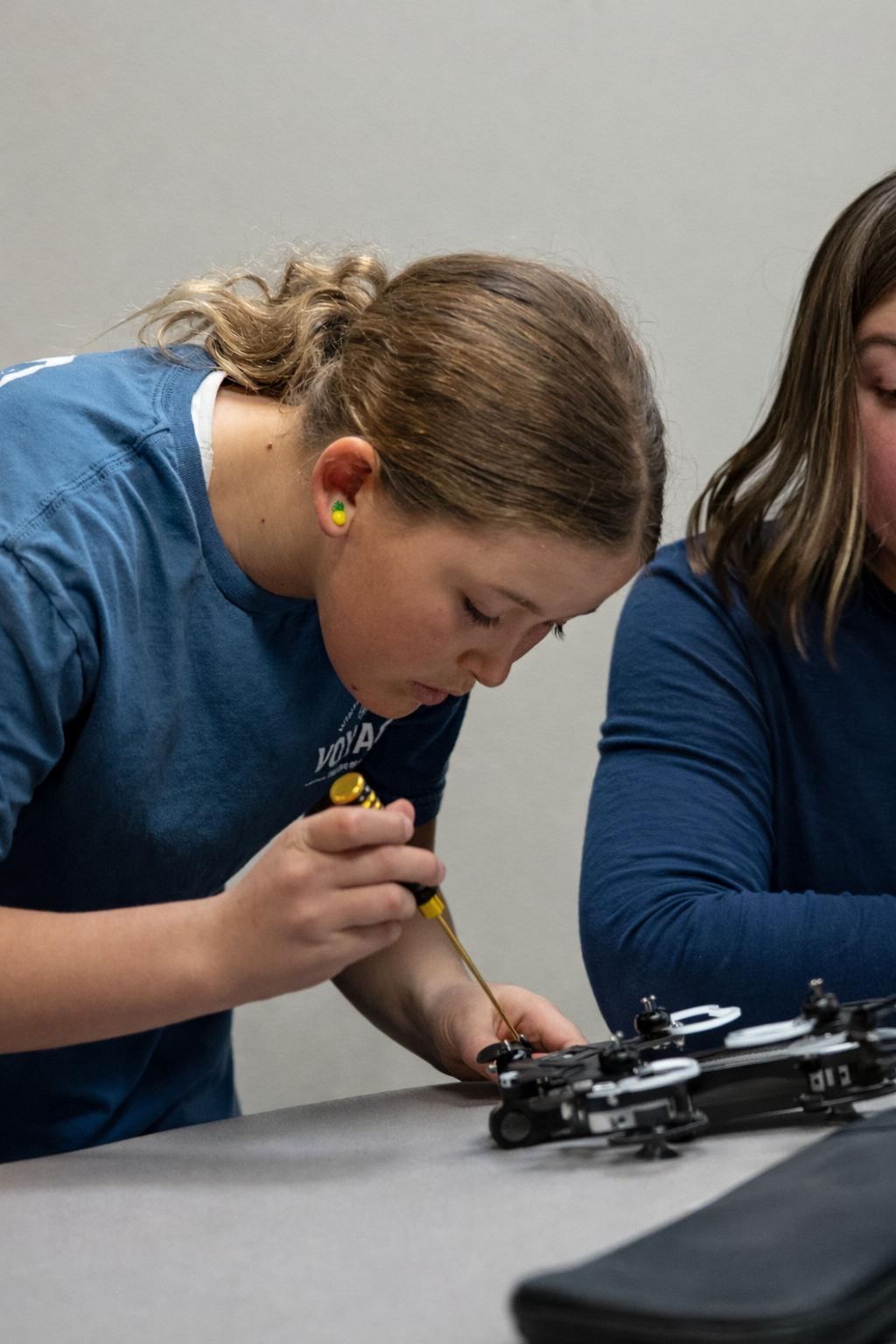
Level 2Ages 12+
Hands-on flying with drones, FPV gear, and real industry use cases.
Drone flight becomes second nature as participants practice FPV flying, obstacle work, and aerial maneuvers. They get a clear look at how drones show up in the real world agriculture, photography, inspections, emergency response, and more. Each week brings a new build, test, or challenge that pushes skill, control, and confidence forward in a way that actually sticks.
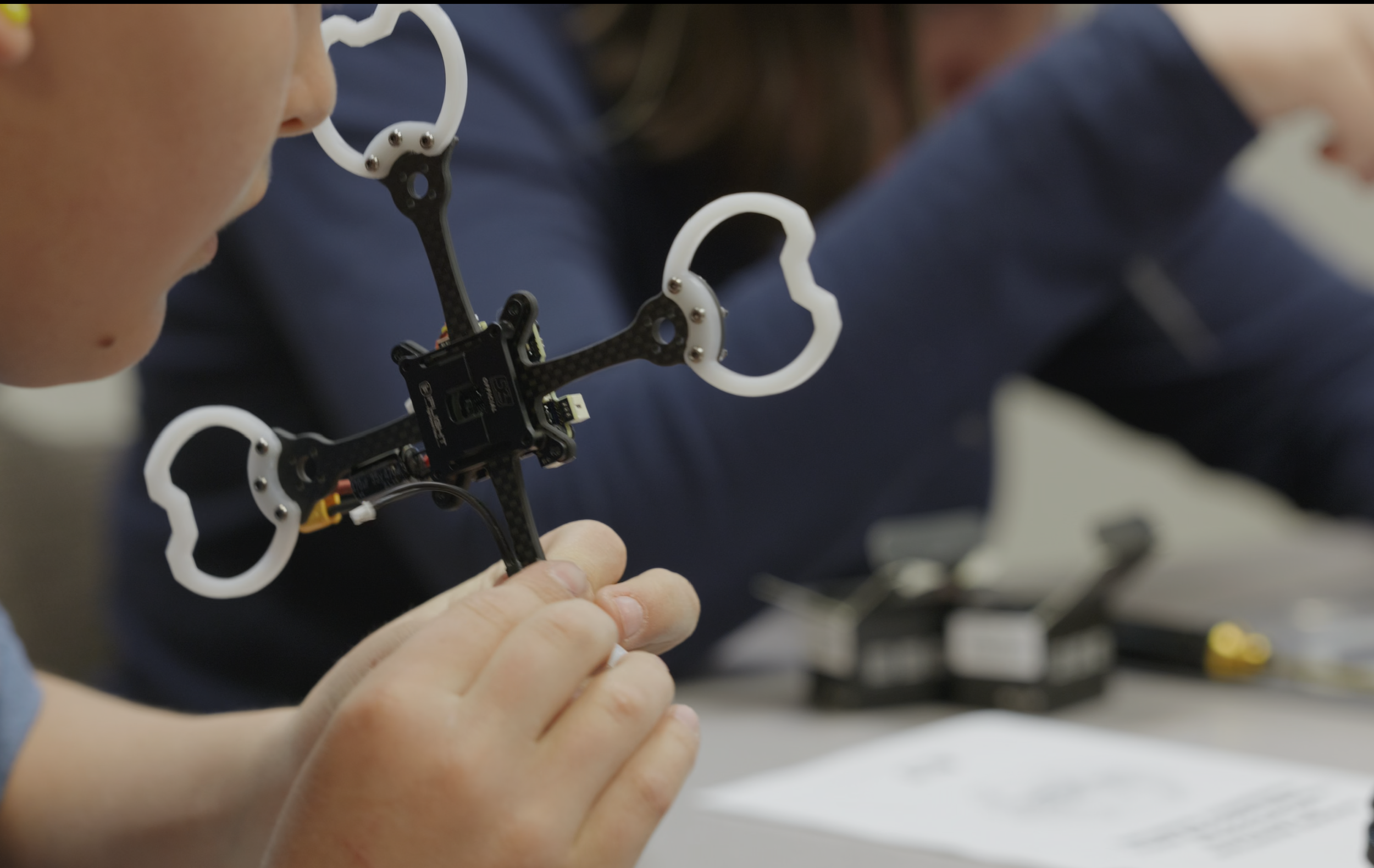
Level 2Ages 14+
Part FPV training, part certification prep, part step into real drone work.
This course turns earlier drone experience into advanced flying skills while teaching the rules, airspace knowledge, and safety procedures needed for the FAA Part 107 exam. FPV conversions, simulator time, and structured study build precision and confidence. Teens 16+ can test for their commercial certificate with instructor approval, setting them up for real industry opportunities.
Level 2Ages 12+
Part problem-solving, part digital detective work, part real-world tech training.
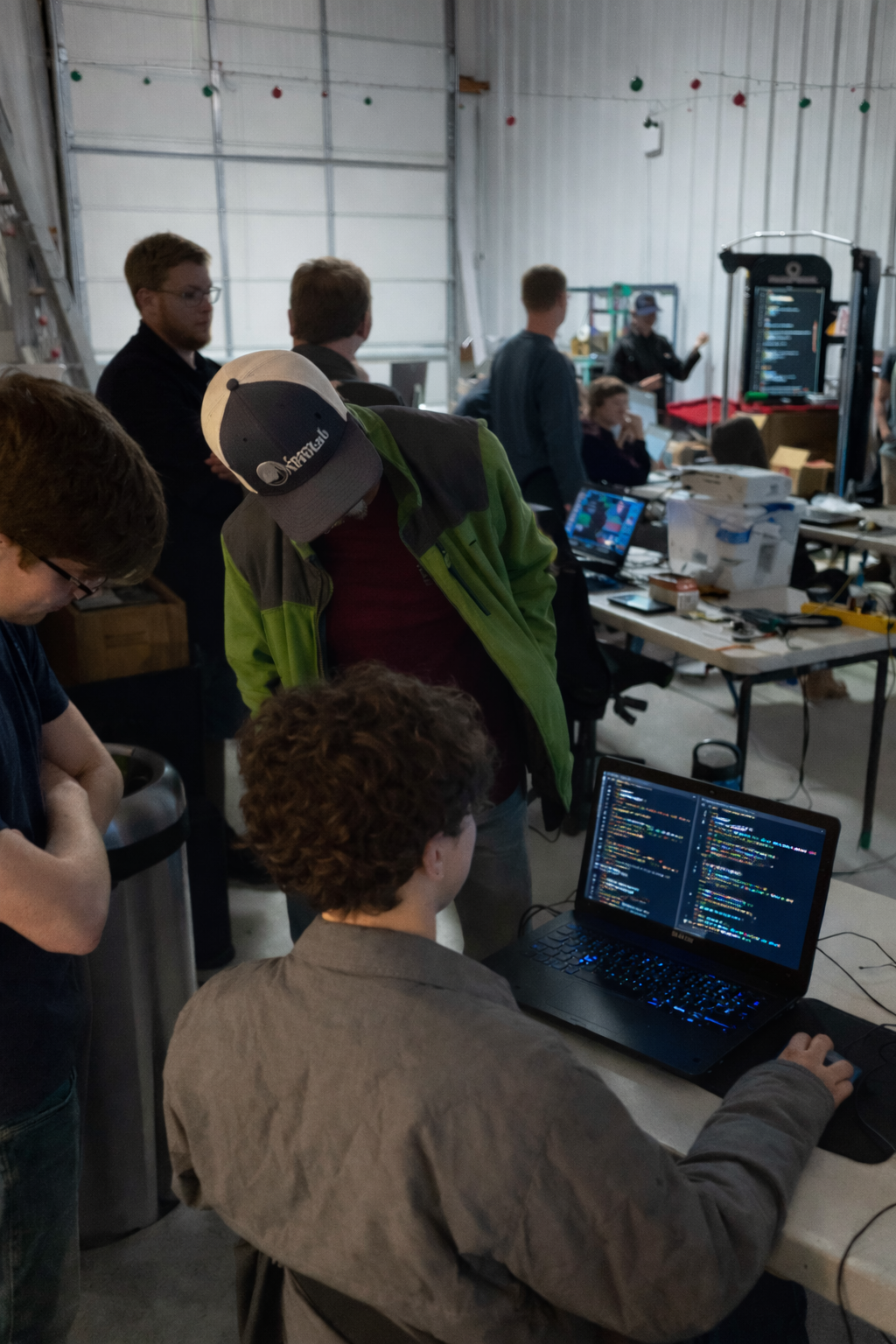
The cyber track moves from computer basics to network defense, coding, forensics, and ethical hacking. Hands-on labs, safe attack-and-defend simulations, and real tools give teens a clear look at how cybersecurity actually works. Whether they’re learning foundations, digging into Python, exploring system security, or taking on advanced challenges, the goal stays the same: build sharp thinkers who can understand, protect, and create in the digital world.
Level 2Ages 13+
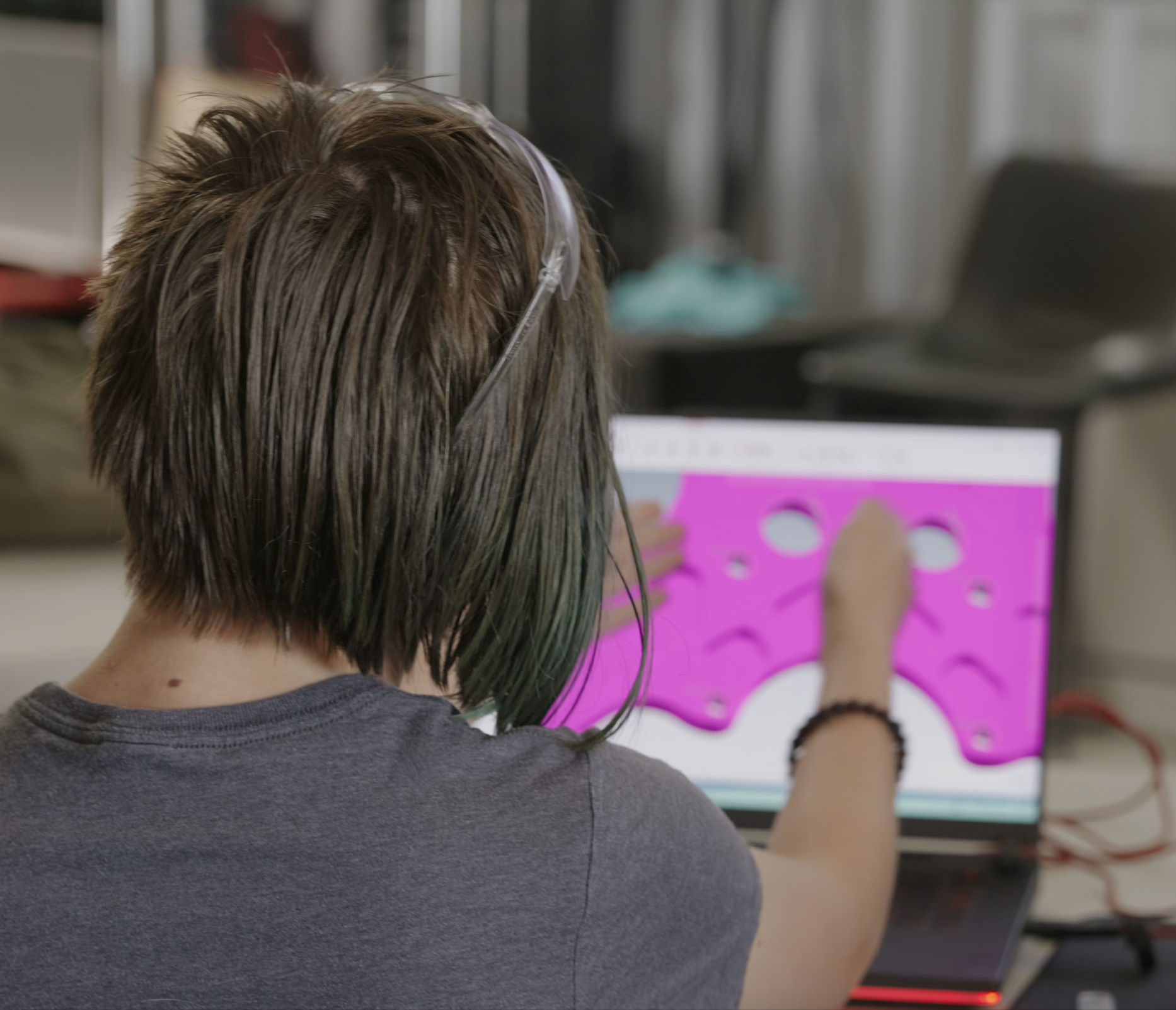
A mix of engineering, creativity, and real technical skill, the CAD/CAM pathway teaches teens how to design, model, and build parts the same way real engineers do. The work starts with learning SolidWorks, drafting, and the full 3D printing process, then moves into building functional parts and understanding how designs translate into working models. As skills grow, the focus shifts to metal work, simulations, CNC programming, and using tools like MasterCAM to turn digital models into machined parts. The pathway also includes prep for industry certifications such as the CSWA, CSWP, and, at the highest level, the CSWE. By the end, teens know how to take an idea from concept to prototype and have hands-on experience with the software, machines, and problem-solving used in engineering and manufacturing.
Level 2Ages 13+
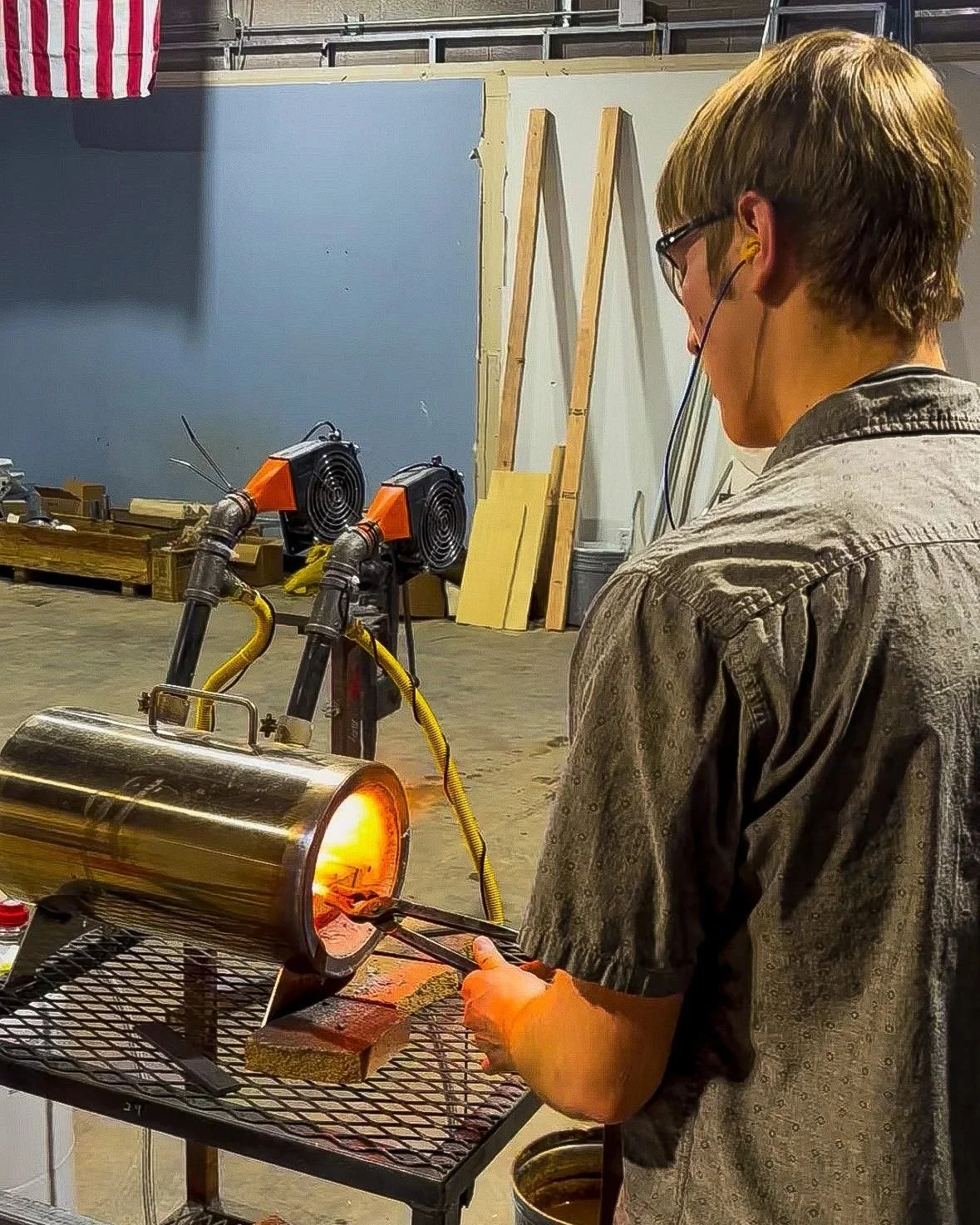
A 100% in-person metalworking course with six hours a week at the forge. Teens fire up propane forges, swing real hammers, and turn plain steel into hooks, leaves, tools, and hardware. The work starts simple and ramps up into trickier techniques like joinery, heat treating, and forge welding. Along the way, they learn how metal behaves, how to handle tools with control, and how to make pieces that actually work. It’s loud, hands-on, and a blast for anyone who likes making things that last..
Level 2Ages 14+
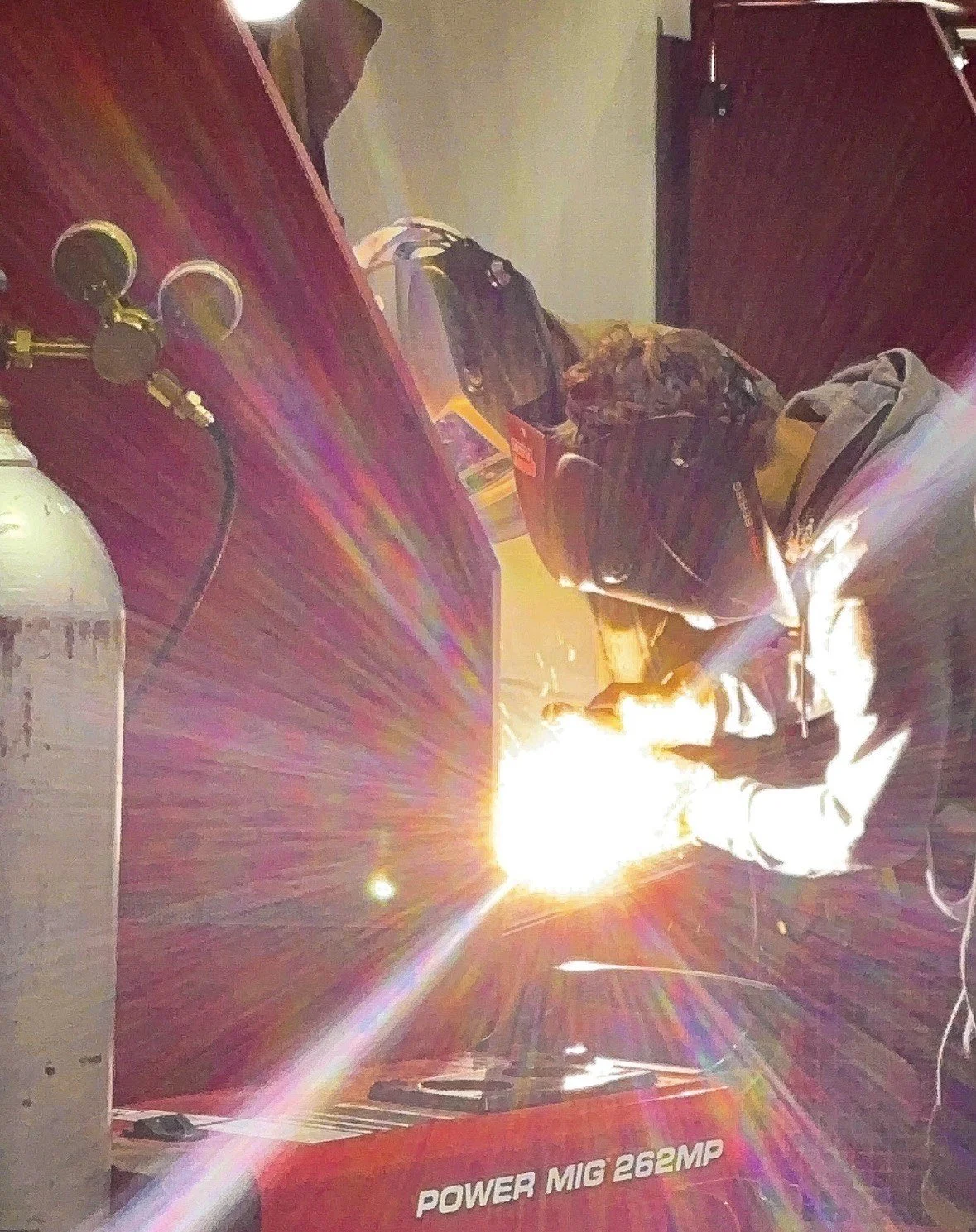
A fully in-person, hands-on welding program with six hours a week in the shop. Teens learn how to run MIG, TIG, and Stick welders, cut metal with oxy-fuel, read blueprints, and handle tools safely. The intro course builds core skills and confidence at the bench, while the advanced course pushes technique, precision, and fabrication. It’s gritty, skill-building work where sparks fly, metal bends to your control, and real shop skills start to click for anyone who likes making strong, useful things.
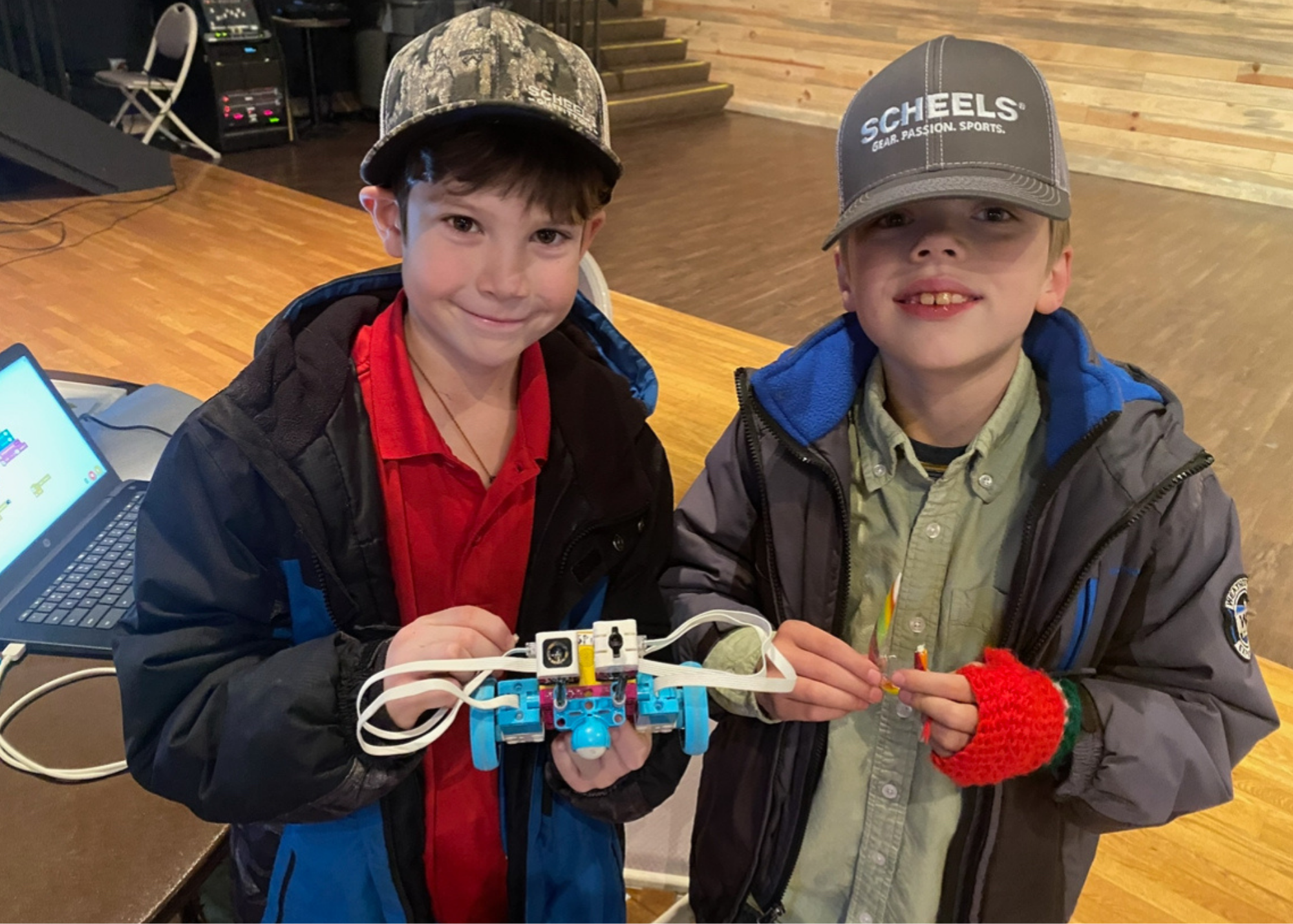
Level 2Ages 6-18
Hands-on STEAM and aviation courses offered in rural communities across Colorado. Kids and teens are grouped by age so every lesson hits at the right level. Younger students jump into creative builds and simple experiments, while older groups dig into deeper topics like aerodynamics, robotics, flight science, and real engineering concepts. Depending on the location, activities might include rocket launches, space-food testing, electromagnetism labs, Remote-Controlled plane or drone builds, or even underwater sea-perch drones. The focus is simple: spark curiosity, build real skills, and give rural students strong exposure to STEAM and aviation in a way that feels exciting and reachable.